


What are the key difference between vfx and animation?


Key Difference Between VFX and Animation: All You Need to Know About VFX and Animation
The key difference between animation and VFX lies in how motion and visuals are created. Animation focuses on building characters and scenes from scratch, while VFX enhances live-action footage using computer-generated elements.
Understanding animation vs VFX is essential for anyone planning a career in animation industries or choosing the right animation or VFX course.
What Is Animation?
Animation is the art of creating motion by displaying a sequence of images in rapid succession. Animation allows artists to bring characters, objects, and ideas to life by simulating movement, emotion, and action through visual storytelling. Whether created by hand or using computer software, animation transforms still visuals into engaging moving images.

At a broader level, An animator, who does the animation involves planning movement, timing, and expression to communicate a story or message. It is used across films, television, gaming, advertising, education, and digital media.
From simple motion graphics to full-length feature animation by any animation studios, animation is a foundational technique in modern visual communication.
2D Animation
2D animation involves creating animation on a two-dimensional plane using height and width. 2D animation includes traditional hand-drawn animation as well as digital animation created using software, where characters and scenes are drawn frame by frame.
Hand-drawn animation involves sketching each frame manually, while digital 2D animation uses tools like Toon Boom Harmony, Adobe Animate, and Blender that streamline the process with layers, timelines, and reusable assets.
2D animation is commonly used in cartoons, explainer videos, educational content, mobile games, and advertisements due to its simplicity, clarity, and expressive visual style.
3D Animation
3D animation involves creating animation in a three-dimensional space using height, width, and depth. Unlike 2D animation, 3D animation creates characters, objects, and environments that have volume and can be viewed from multiple angles, resulting in more realistic and immersive visuals.
The 3D animation process includes 3d modeling, where digital objects are created, rigging, where a virtual skeleton is added to allow movement, and animation, where motion is applied to the character or object. Rendering then converts these scenes into final images using lighting, textures, and camera angles. Popular tools used in 3D animation include Autodesk Maya, Blender, and Cinema 4D.
3D animation is widely used in feature films, gaming, architectural visualization, product demonstrations, and visual effects production. Its ability to create lifelike motion and detailed environments makes it a preferred choice for industries that require realism, depth, and cinematic visual impact.
Difference Between 2D and 3D Animation
The major difference between 2D animation and 3D animation is how computer animation is created and experienced. In 2D animation, animation artists produce pure animation on a flat plane, using animation software to draw frame by frame and add effects like motion. In 3D animation, software to create depth and volume is used, allowing character animation to move in a realistic space.
Between 2D animation and 3D animation, the tools and output differ. 2D animation relies on animation software focused on illustration, while 3D animation uses software to create models, rigs, and scenes that help you create animation like real-world movement and spatial interaction.
What Is VFX?
VFX refers to the process of enhancing real-world footage using digital tools and techniques. VFX refers to adding computer-generated elements to live-action shots to achieve results that are difficult, unsafe, or impossible to capture on camera.
In modern media, a vfx artist works with footage to create visual layers that feel believable. VFX is used across films, OTT platforms, advertising, and gaming, where realism and scale matter. Unlike pure creation, vfx adds depth, atmosphere, and realism to what already exists on screen.
2D Animation and Visual Effects
2D elements play a crucial role when incorporating visual effects into live footage. These elements are often used for motion graphics, matte paintings, and stylized overlays that support storytelling without overpowering the scene.
In many workflows, a vfx artist may composite illustrated assets into shots, where another artist adds environmental effects like smoke, dust, or light rays. This approach blends artistic control with realism and is widely used by industry professionals.
3D Animation and VFX
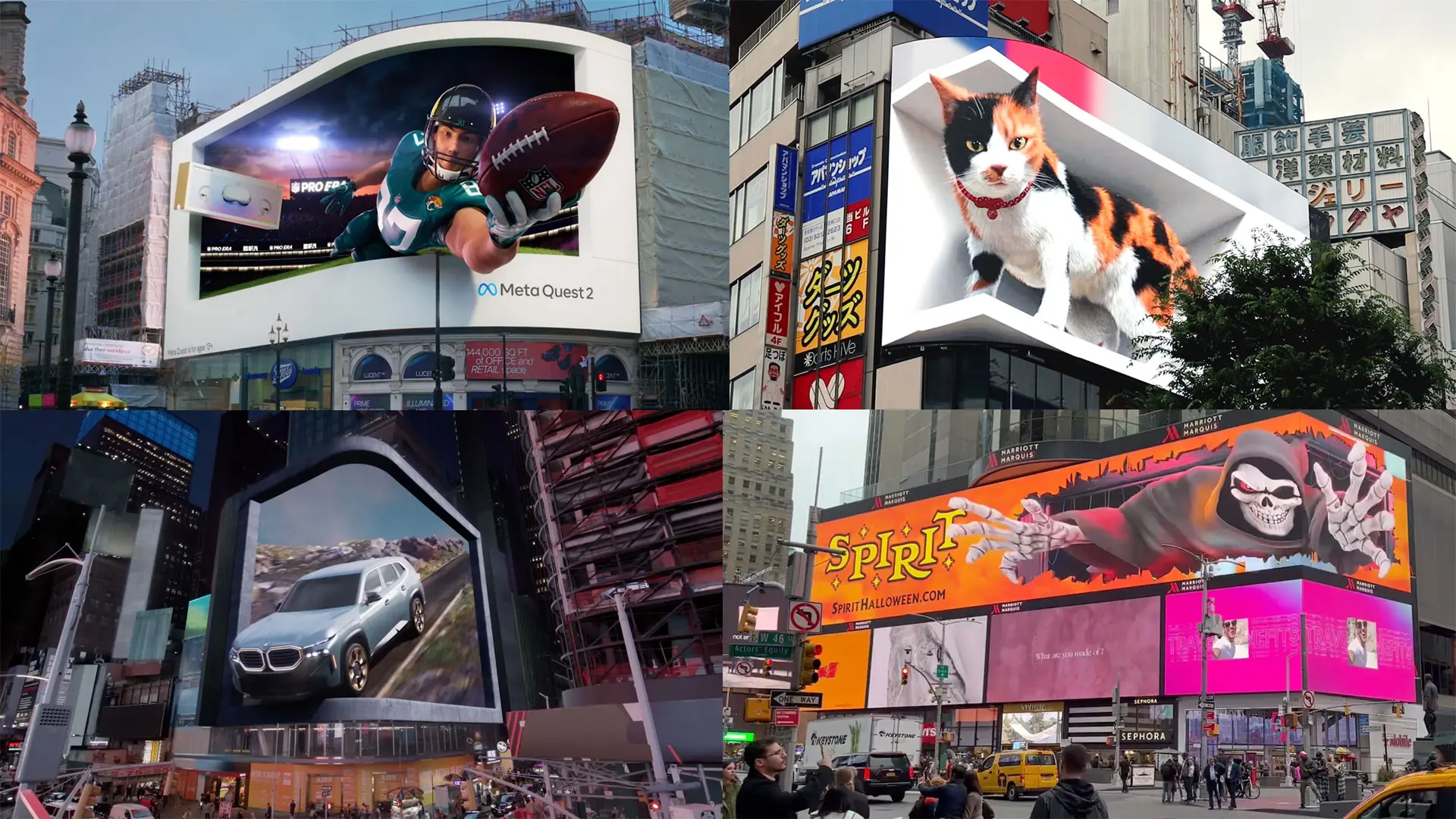
In large-scale productions, vfx and 3d animation work together to extend environments and enhance realism. Digital assets such as vehicles, creatures, or buildings are integrated into real footage using precise camera matching and lighting.
Here, a vfx artist follows a structured vfx pipeline, ensuring all assets align visually. VFX combines live footage with digital depth, often using a green screen to replace or extend environments while maintaining realism.

What Is CGI?
Computer-generated imagery is the shared foundation behind both animation and VFX workflows. CGI allows creators to build digital objects, environments, and effects using computers rather than physical materials.
Whether used to create scenes from scratch or enhance existing shots, computer-generated imagery enables flexibility and creative control. It supports everything from stylized visuals to visual effects that blend seamlessly into reality.
Key Differences Between Animation and VFX
This section helps explore the differences clearly and practically. While both rely on digital tools, their intent and execution differ significantly.
Animation is a technique focused on creation, while VFX enhances what is already filmed. The major difference between animation and VFX lies in purpose: animation focuses on bringing characters and worlds to life, whereas vfx often works invisibly to support realism.
This distinction is commonly summarized as vfx vs animation, not as competitors, but as complementary disciplines.
Major Difference Between Animation and VFX
| Aspect | Animation | VFX |
|---|---|---|
| Purpose | Animation focuses on bringing characters and ideas to life | VFX is used to enhance real footage |
| Workflow | Built entirely using animation techniques | Follows a structured visual effects pipeline |
| Industry Usage | Films, series, education, ads | Films, OTT, ads, gaming |
| Skills Required | Drawing, timing, storytelling | Compositing, realism, physics |
| Tools | Illustration and creation tools | Software and VFX tools like Adobe After Effects |
This table highlights the major difference between animation and VFX in a practical, decision-ready format.
How to Learn VFX and Animation
Beginners often ask whether to choose vfx or animation, and the answer depends on creative goals. Those interested in storytelling and creation often learn animation through a structured animation course or at an animation institute.
For technical realism and film work, a career in vfx requires understanding compositing, lighting, and integration. Many professionals start with animation and vfx courses before specializing. Choosing the best animation course depends on whether you aim to work with studios or freelance pipelines.
Tips for Using Animation and VFX Effectively
Strong visuals rely on intention, not excess. Animation thrives when clarity and emotion lead, especially in styles rooted in traditional animation. VFX works best when it supports realism rather than drawing attention to itself.
Effective teams balance practical effects with digital layers, using techniques to create visual effects such as effects like motion blur and lighting consistency. Knowing when and how to create visual effects ensures budget efficiency and audience immersion.
Conclusion on Difference Between VFX and Animation
Animation and VFX are not rivals. They are tools with different purposes. Animation focuses on bringing characters and ideas to life, while VFX enhances reality using footage to create believable experiences.
Understanding when to use each approach, and how they intersect through special effects, CGI, and compositing, allows creators and businesses to make smarter creative decisions. The discussion around animation vs VFX is not about competition it’s about context, intent, and choosing the right technique to serve the story.
MORE

We Craft Stories


