


Difference Between Broadcast and Podcast: Explained Simply
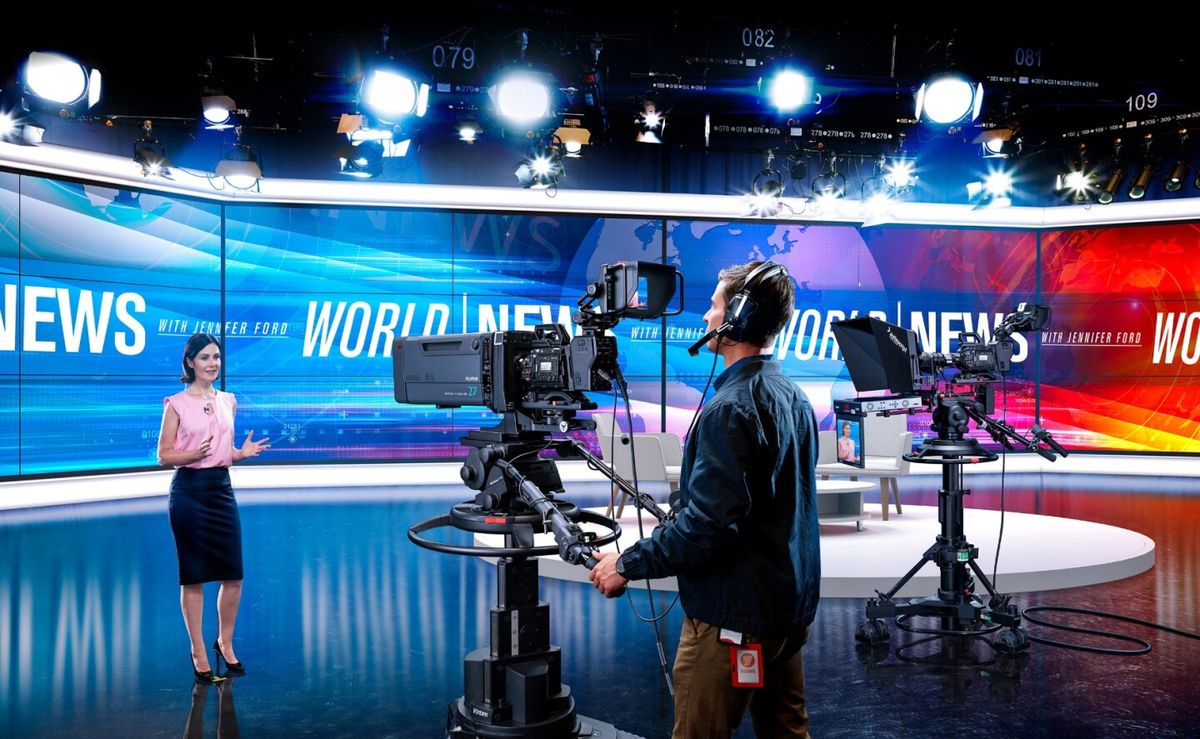


Difference Between Broadcast and Podcast: Choosing the Right Medium
Both podcasting and broadcast media play important roles in modern communication. However, they serve audiences differently. From live radio to on-demand audio shows, each medium offers unique advantages depending on timing, accessibility, and engagement style.
What Is Broadcast?
Broadcast refers to transmitting audio or video content to a wide audience through radio and television. A radio broadcast sends signals via radio waves from a radio station to radio listeners in real time.
Broadcast media includes:
Radio shows
Live radio programs
Television programs
Live broadcast events
Broadcasts are live and scheduled, meaning audiences must tune in at a specific time.
Broadcast Characteristics
Real-time delivery
Mass appeal
Fixed schedule
Distributed via radio networks or TV channels
Traditional radio remains a strong medium for reaching large audiences quickly.
What Is a Podcast?
A podcast is a digital audio program made available as downloadable or streamable audio files. These shows are usually distributed through podcast directories and streaming services such as Apple Podcasts, Google Podcasts, and Spotify.
They are typically on-demand and released as part of a series or standalone episodes.
Podcast Characteristics
Pre-recorded
On-demand access
Distributed using RSS feed
Available globally
Many audio shows focus on niche topics, allowing creators to target specific interests.
Podcasting Explained
Podcasting is the process of creating and distributing audio shows online. A creator records an episode, edits the audio, uploads it to hosting platforms, and publishes it through a podcast feed.
This approach allows individuals and brands to build a long-term audience without needing a radio station or broadcast license.
Podcast vs Broadcast: The Key Difference
The key difference is timing and distribution.
Broadcasts are live and scheduled.
Podcasts are pre-recorded and on-demand.
This distinction shapes how audiences discover, consume, and engage with content.
Podcast and Broadcast as Mediums
A broadcast is a one-to-many medium designed for mass distribution.
A podcast is a digital medium designed for flexible listening.
Both serve different purposes within audio communication.
Radio vs Podcasts
Radio relies on live programming and radio programs.
Digital audio shows rely on downloadable or streaming files.
Radio listeners tune in.
Podcast listeners choose when to listen.
Podcast vs Broadcast: Content Style
Broadcast content often follows structured formats such as:
News
Talk shows
Music programs
Digital audio content can include:
Interviews
Storytelling
Education
Gossip podcasts
Video podcasts
Sometimes video versions
These formats offer more creative freedom.
On-Demand vs Real-Time Listening
Broadcast radio delivers live audio.
Podcasts allow on-demand playback.
Listeners can pause, rewind, or resume a podcast episode anytime.
This flexibility is one reason audio series have grown rapidly.
Podcast and Broadcast Audience Experience
Broadcast focuses on mass appeal.
Podcasts focus on niche audience interests.
Podcast listeners often feel a personal connection with the creator due to recurring episodes and familiar voices.
Role of the Creator
In broadcast media, content is produced by professional teams working for radio stations or TV channels.
In podcasting, a creator can be an individual or small team managing podcast production independently.
Podcast and Broadcast Distribution
Broadcast radio uses terrestrial radio and radio waves.
Podcasts use:
RSS
Podcast directories
Streaming platforms
Internet radio station integrations
Platforms like Apple Podcasts or Spotify make audio shows easy to access.
Podcast Content and Format
A podcast includes:
Introduction
Main discussion
Outro
Show notes
A broadcast radio program may include:
Live segments
Music breaks
Advertisements
Call-ins
Both formats can include ads, but podcast advertising is often integrated into episodes.
Live Interaction vs Delayed Interaction
Broadcasts are live, allowing immediate interaction.
Podcasts usually lack live interaction, though some creators use live stream sessions or live events to connect with audiences.
Podcast vs Broadcast Comparison
Broadcast vs Podcast
Broadcast radio is live
Podcasts are on-demand
Broadcast reaches large audiences
Podcasts build focused communities
This comparison highlights how both serve different listening habits.
Podcast and a Broadcast: Can They Overlap?
Yes. Some radio shows release recordings as podcasts.
This creates a hybrid model where live radio becomes downloadable content.
Podcast Listeners vs Radio Listeners
Radio listeners tune in based on schedule.
Podcast listeners subscribe to a show and receive new episode alerts.
Podcast listeners value flexibility.
Podcast and Broadcast for Brands
Brands use broadcast for reach.
Brands use podcasts for depth.
Audio content allows brands to share stories, expertise, and perspectives over time.
Popular Podcast Growth
Million podcast creators exist globally.
Many podcasts are independent.
Popular podcast creators often build loyal audiences through consistency.
Choosing the Right Option
Choosing the right medium depends on:
Goals
Budget
Audience type
Content style
Broadcast suits mass awareness.
Podcasts suit community building.
Difference Between Podcast and Broadcast Summarized
The difference between broadcast lies mainly in timing and access.
The difference between podcast and broadcast is that one is live and scheduled, while the other is on-demand and flexible.
Podcast and broadcast serve different listening behaviors.
Final Thoughts
Broadcast and podcasting are both powerful audio formats. Broadcast remains essential for live radio and mass reach. Podcasts offer flexibility, niche targeting, and long-form engagement.
Understanding podcasts and broadcasts helps creators, brands, and audiences select the best option for their needs.
The difference is not about which is better—it is about choosing the right medium for the right purpose.
MORE



We Craft Stories


