


CGI Advertising: Transform Your Brand & Visual Marketing Campaign
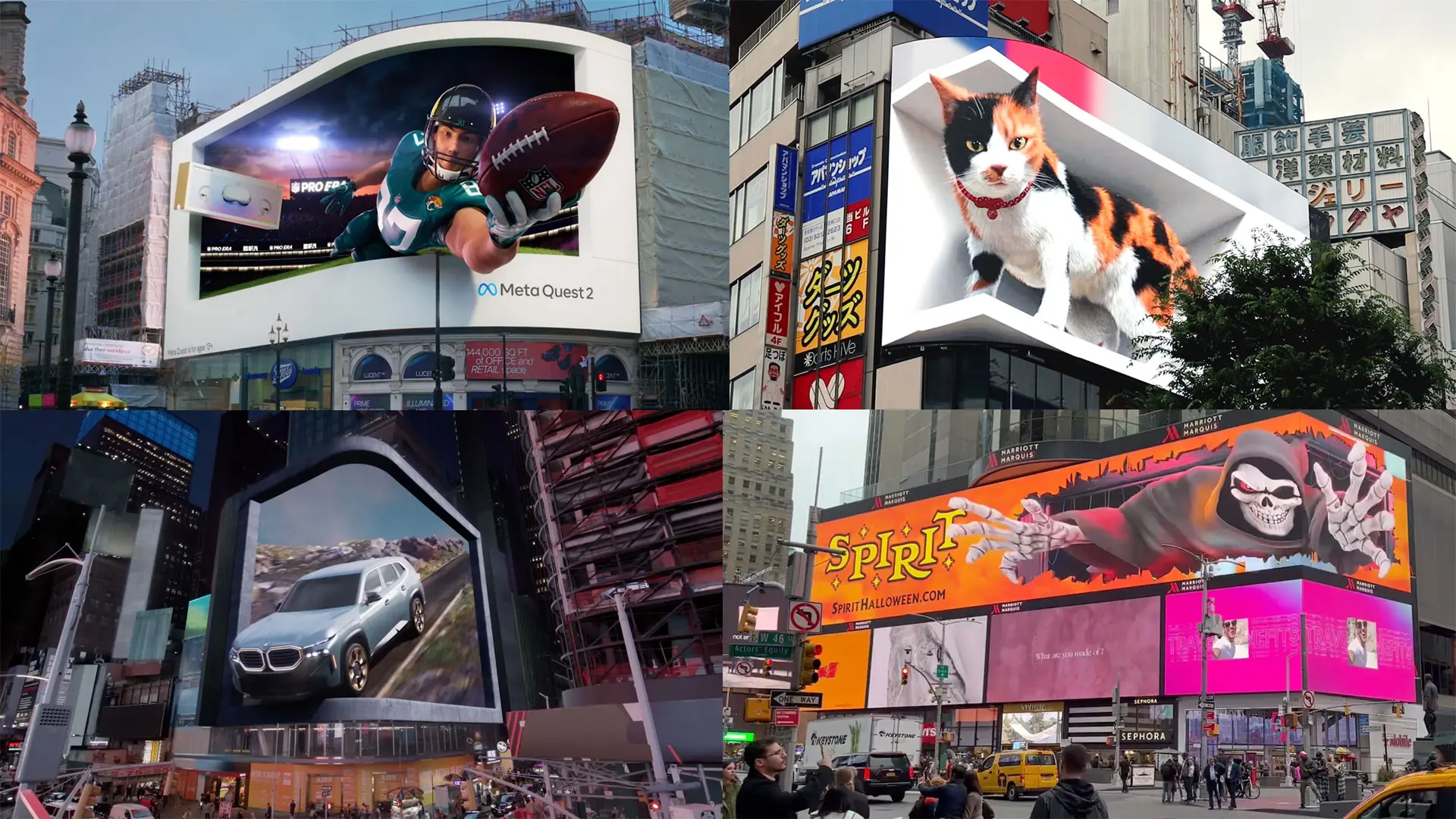


CGI Ads: Transform Your Brand with CGI Advertising and Marketing

In today’s competitive digital marketing landscape, capturing attention has become increasingly difficult. Audiences scroll through hundreds of ads every day, making it essential for brands to create visuals that instantly stand out.
This is where CGI advertising is transforming modern marketing.
CGI (Computer-Generated Imagery) enables brands to design visually striking campaigns that would be difficult—or even impossible to create in the real world. According to this guide on computer-generated imagery, CGI refers to visual content created entirely using computer software, allowing marketers to build detailed environments, realistic objects, and animated scenes.
Because of this creative flexibility, CGI in marketing and advertising is rapidly becoming one of the most powerful tools for storytelling, brand promotion, and audience engagement.
The Rise of CGI in Marketing and Advertising
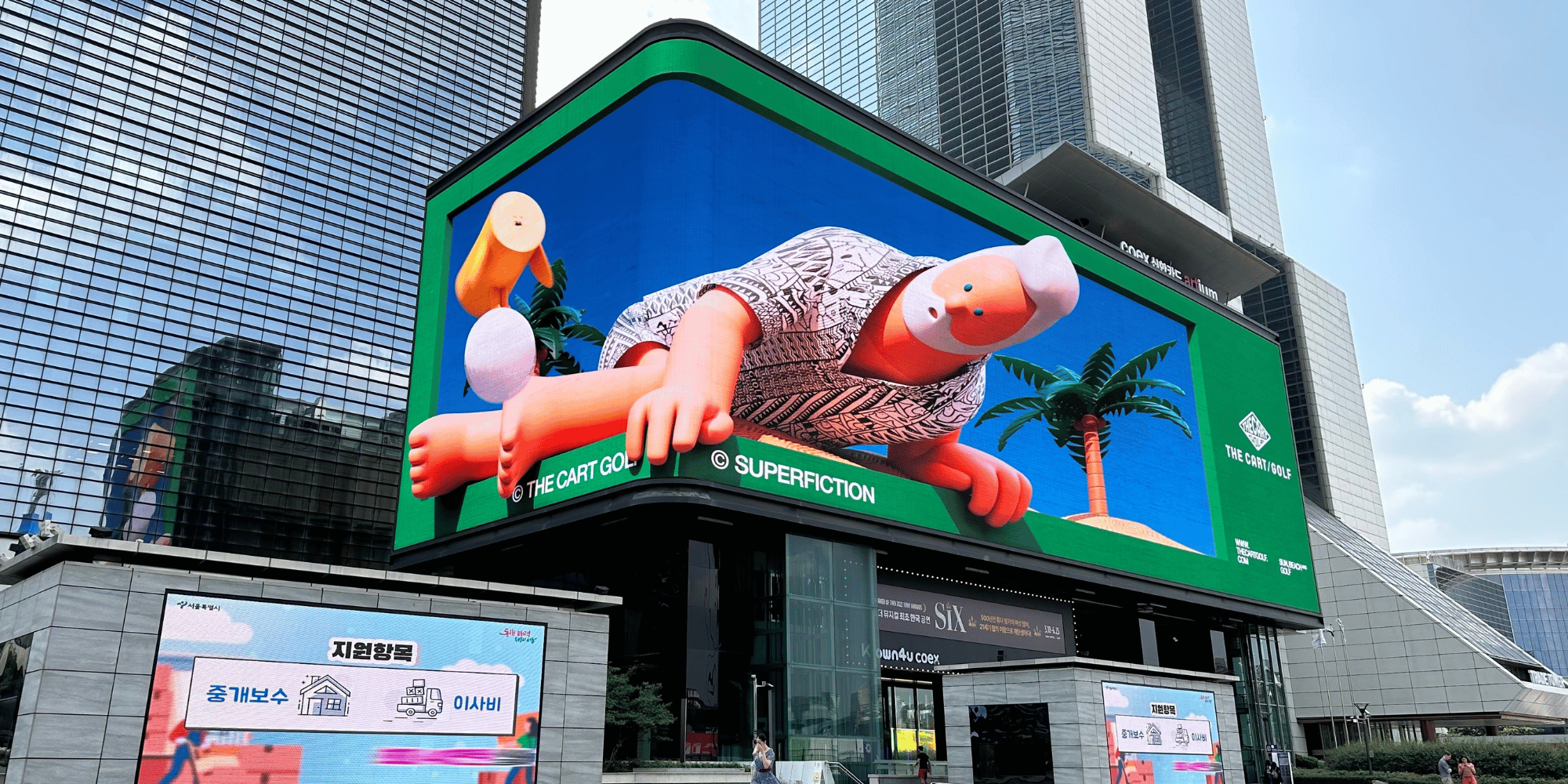
Over the past few years, the rise of CGI has dramatically changed how brands approach advertising.
Traditional advertising often relies on expensive production setups, physical locations, and large crews. CGI, however, allows marketers to create entire environments digitally. This shift enables brands to experiment with bold visual concepts that attract attention on social media and digital platforms.
Understanding what is CGI advertising helps marketers realize how digital technology can replace complex production processes while still producing visually stunning campaigns.
Why Marketers Are Using CGI
Several factors explain why marketers increasingly use CGI in advertising:
Social media platforms favor visually engaging content
CGI offers limitless creative possibilities
Production can be faster and more scalable
Campaigns become easier to adapt across platforms
As a result, CGI campaigns are helping brands captivate audiences faster than traditional advertisements.
What Is CGI Advertising?

CGI advertising refers to marketing visuals created using digital tools instead of traditional filming or photography. These visuals often include:
3D product renders
Animated advertising videos
Virtual environments
Hyper-realistic digital scenes
Through computer-generated imagery, marketers can design every detail of a visual including lighting, textures, camera angles, and motion before rendering the final output.
This approach gives brands full control over how their products appear in campaigns and ensures consistent visual storytelling across platforms.
The Power of CGI for Brand Transformation
The power of CGI lies in its ability to transform ordinary campaigns into immersive brand experiences.
1. Creative Freedom
One of the biggest advantages of CGI is the ability to visualize ideas that would be impossible to shoot in real life. Imagine:
A giant sneaker floating above a city
A perfume bottle traveling through space
A beverage bottle turning into a waterfall
These concepts create memorable visuals that instantly grab attention.
2. Stronger Storytelling
CGI animation helps marketers tell engaging stories around products. By combining animation, lighting, and cinematic visuals, brands can create emotional connections with audiences.
3. Efficient Production
CGI also reduces the need for physical production setups. Instead of reshooting scenes multiple times, marketers can modify digital assets and produce variations quickly.
Benefits of Using CGI in Marketing
For businesses exploring modern marketing strategies, CGI offers several advantages.
Increased Engagement
Visually striking CGI ads encourage audiences to stop scrolling and pay attention. High-quality visuals often generate more shares and interactions on social media.
Unlimited Creativity
One of the major benefits of CGI marketing is the ability to experiment with creative concepts without logistical limitations.
Faster Content Production
Once a product is modeled in 3D, marketers can produce multiple variations of visuals for different campaigns, locations, and platforms.
Global Adaptability
CGI assets can easily be adapted for different markets, languages, and advertising channels.
Examples of CGI Ads That Captivated Audiences
Many brands have already used CGI to create campaigns that captured global attention.
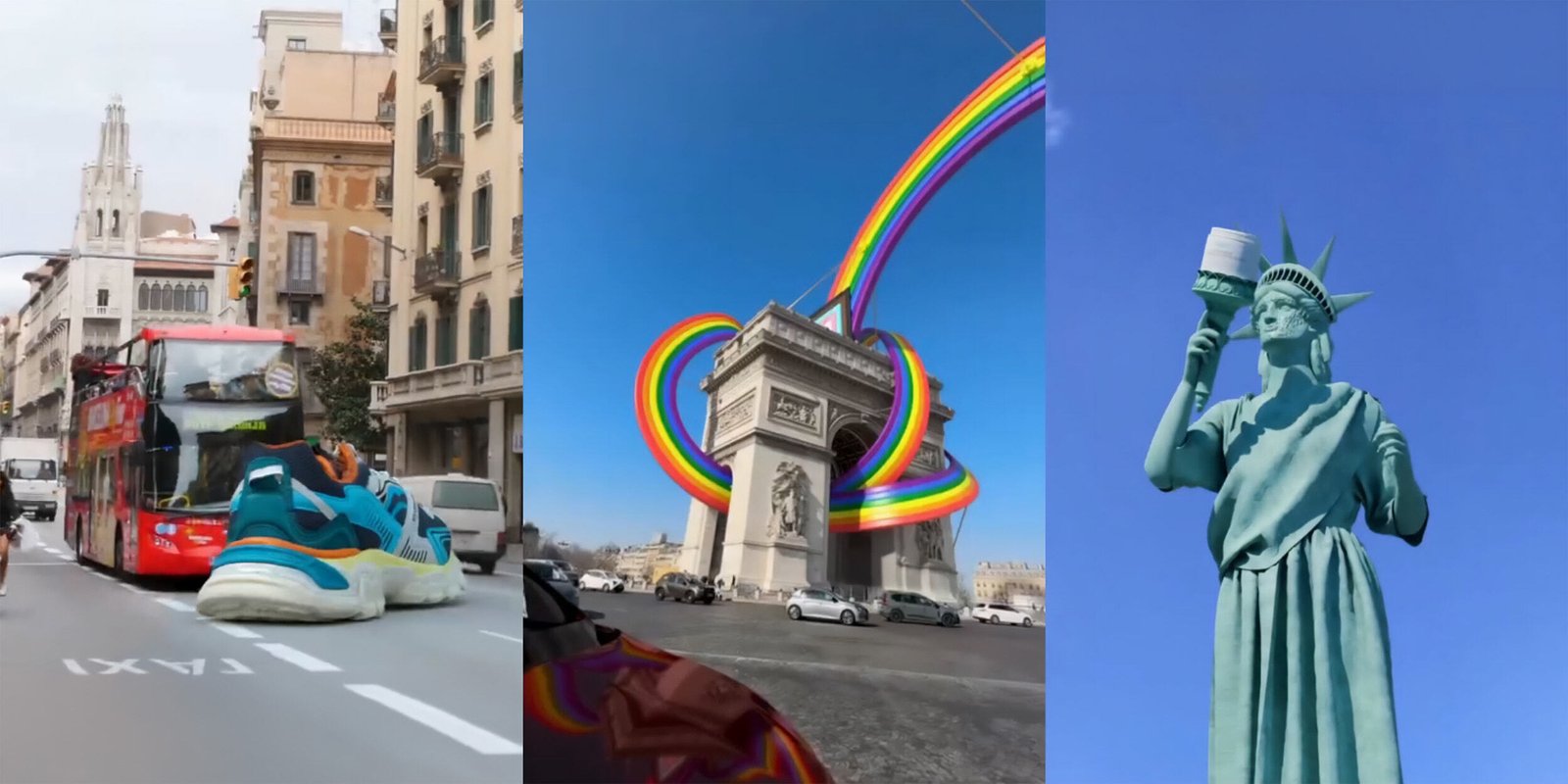
Several viral CGI advertising campaigns demonstrate how digital visuals can turn ordinary products into unforgettable experiences.
Examples include:
Maybelline Mascara Campaign
A CGI mascara wand applying makeup to a moving train created massive buzz online.
Jacquemus Handbag Campaign
A giant handbag walking through Paris streets became one of the most talked-about fashion marketing campaigns.
Barbie Burj Khalifa Campaign
A CGI Barbie visual covering the Burj Khalifa created global social media attention.
These campaigns show how CGI can transform a simple advertisement into a viral brand moment.
The Role of CGI in Digital Marketing Strategies
CGI is now an essential part of modern digital marketing strategies. It allows marketers to create visually compelling content tailored for platforms such as:
TikTok
YouTube
Digital billboards
Successful campaigns often combine CGI visuals with strong storytelling and distribution strategies. For example, a well-planned digital marketing content strategy ensures that creative assets reach the right audience across multiple channels.
Additionally, marketers frequently integrate CGI visuals into video campaigns because video content builds trust with your audience and improves engagement on social media.
How Advertising Agencies Use CGI to Transform Brands
Creative advertising agencies increasingly rely on CGI to design innovative campaigns.
The typical CGI advertising workflow includes:
Concept development
3D product modeling
Animation and environment creation
Lighting and rendering
Distribution across digital platforms
Studios specializing in CGI and animation services help brands convert creative ideas into visually immersive campaigns that stand out in crowded markets.
By blending technology, storytelling, and design, agencies can produce marketing experiences that truly capture audience attention.
The Future of CGI in Advertising

The future of CGI advertising looks incredibly promising as technology continues to evolve.
Advancements in AI, augmented reality, and immersive digital environments will make CGI campaigns even more interactive and realistic.
In the coming years, brands may create fully immersive marketing experiences where audiences interact with products through virtual environments and real-time CGI animation.
For marketers and creative agencies, the growing role of CGI signals a shift toward more dynamic and visually driven brand storytelling.
Conclusion
In an increasingly crowded advertising landscape, brands need more than traditional campaigns to capture attention.
CGI advertising and marketing offer a powerful way to transform brand storytelling. By combining creativity, animation, and advanced technology, CGI enables marketers to produce campaigns that captivate audiences and leave lasting impressions.
From immersive visuals to viral social media moments, the power of CGI in marketing and advertising continues to redefine how brands communicate with their audiences.
Businesses that embrace CGI today are positioning themselves for the future of digital marketing, where creativity and technology work together to create unforgettable brand experiences.
MORE



We Craft Stories


