


2D vs 3D Animation: Unpacking the Difference Between 2D and 3D
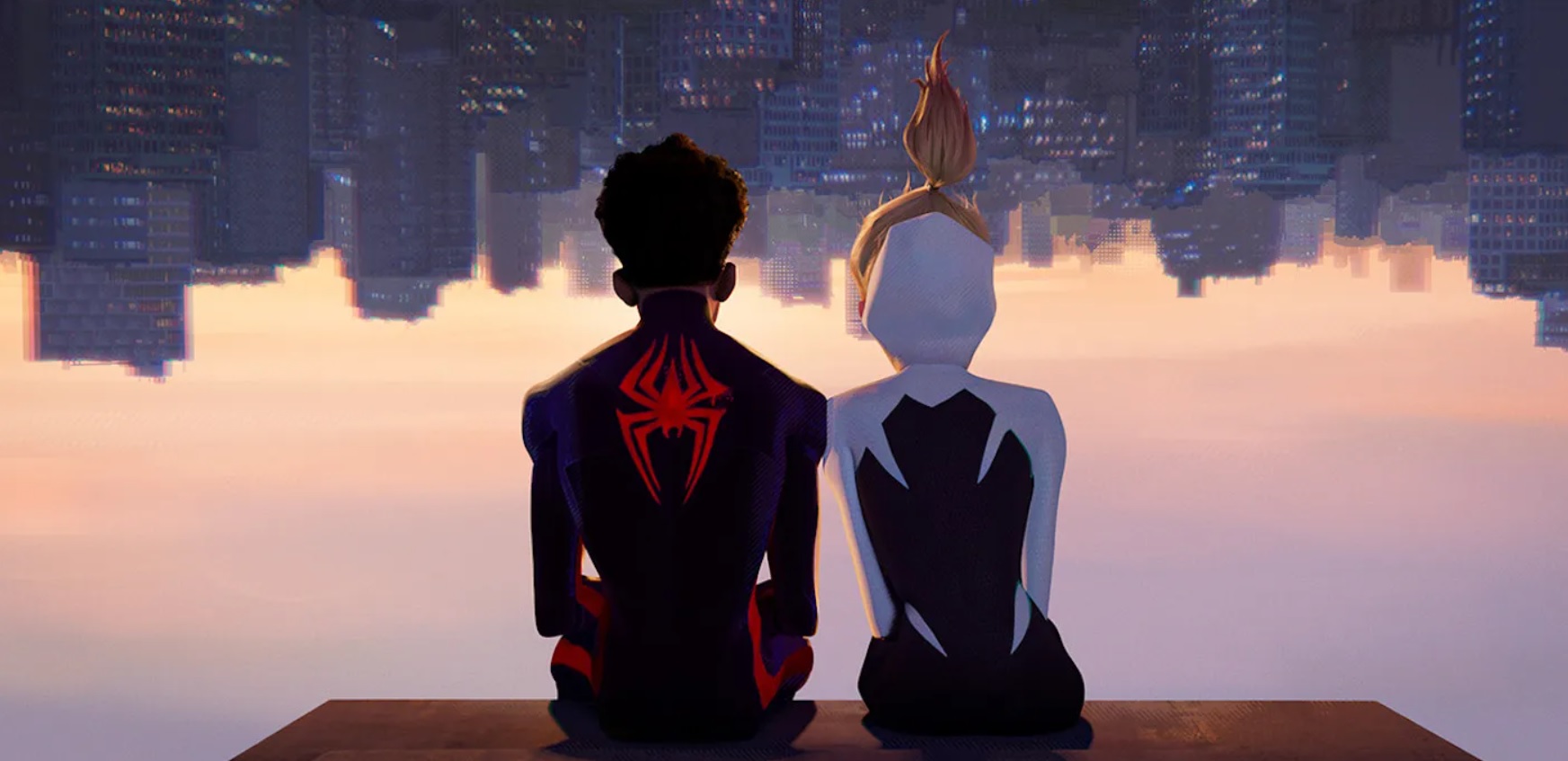


Difference Between 2D and 3D Animation: 2D vs 3D Cinema
Animation and cinema technology have evolved significantly over the years. Today, audiences can experience movies and animated visuals in both 2D and 3D formats. Understanding the difference between 2D and 3D animation helps viewers, creators, and students of media better appreciate how modern visuals are created.
While both techniques are used in movies, advertisements, games, and digital media, they differ in terms of dimensional structure, production process, and visual experience.
Choosing a great production company ensures your animation project maintains quality and storytelling impact.
In this blog, we explore 2D vs 3D animation, how each works, and the major differences between them.
2D and 3D Animation Explained
What is Animation?
Animation is the technique of creating the illusion of movement by displaying a sequence of images rapidly. It is widely used in films, advertisements, games, and educational media.
Types of Animation
There are different types of animation, but the two most common categories are:
2D animation
3D animation
Both methods use technology and creative design to bring characters and environments to life.
What is 2D Animation?


2D Animation
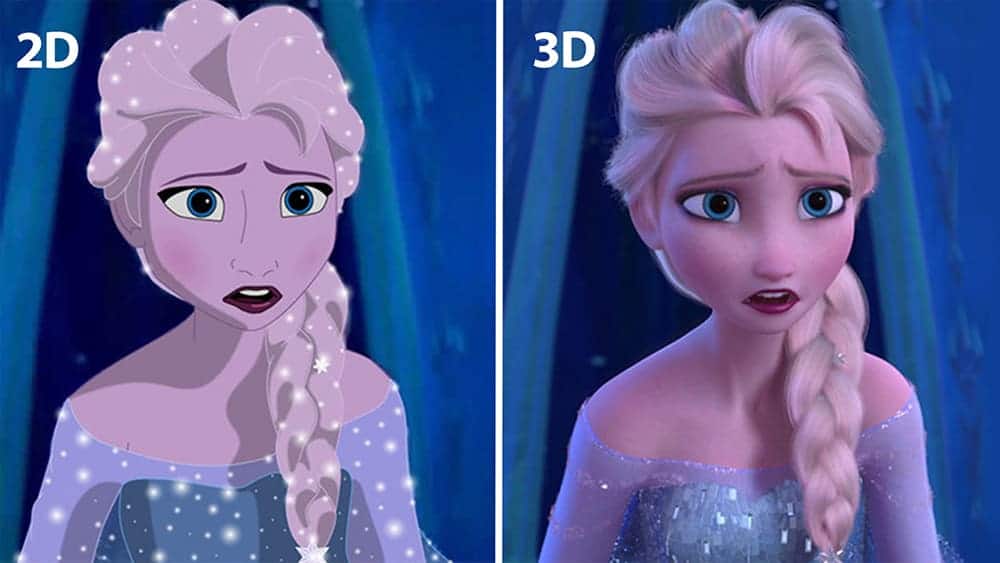
2D animation refers to two dimensional animation, where images are created on a flat plane using height and width only.
In this format, characters and backgrounds appear flat, similar to drawings on paper or digital illustrations.
Two Dimensional Animation Characteristics
Works in two dimensional space
Uses flat illustrations and drawings
Often created frame by frame
Widely used in cartoons and explainer videos
Traditional animated films and many television cartoons were created using 2D animation techniques.
What is 3D Animation?
3D Animation
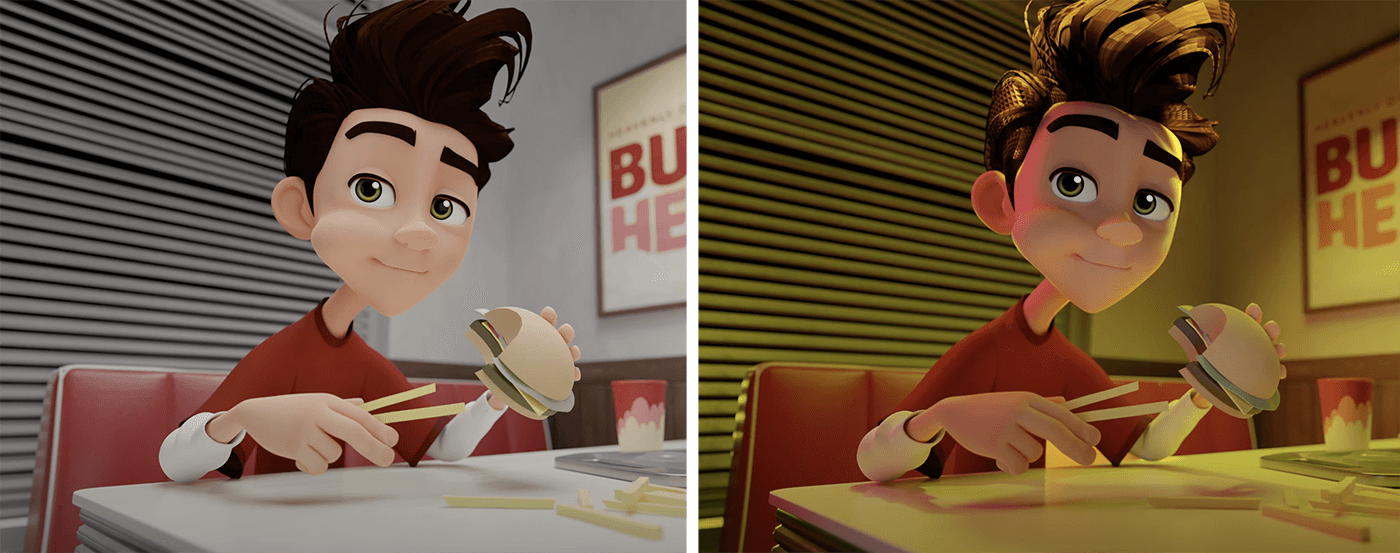
3D animation introduces a third dimension — depth, making objects appear more realistic and lifelike.
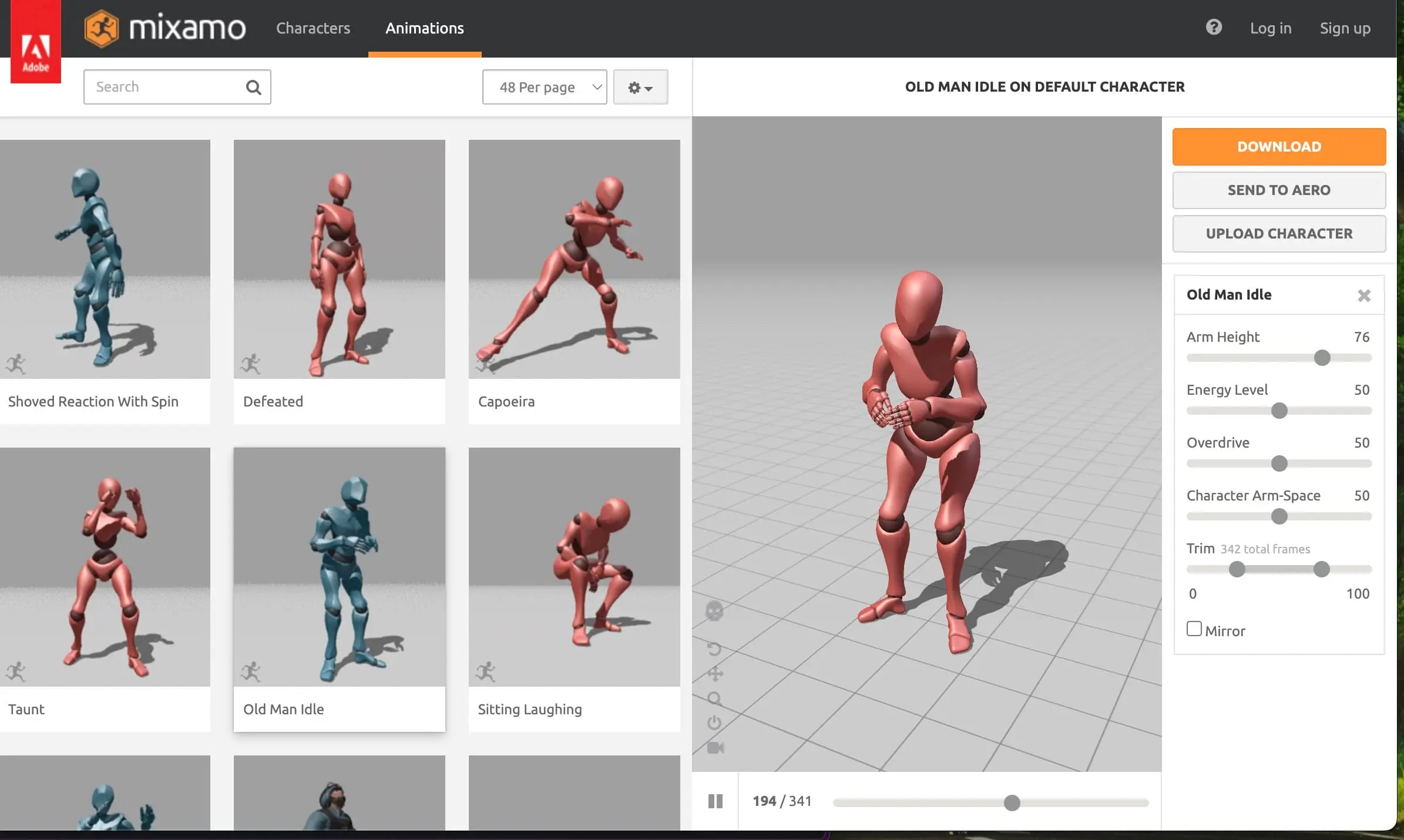
Instead of drawing characters frame by frame, artists create three dimensional models using specialized software.
Three Dimensional Animation Characteristics
Works in three dimensional space
Includes height, width, and depth
Uses digital models instead of flat drawings
Allows realistic lighting and movement
3D animation is widely used in modern films, video games, and visual effects.
Difference Between 2D and 3D
Understanding the difference between 2D and 3D animation helps explain how visuals are produced in modern media.
| Feature | 2D Animation | 3D Animation |
|---|---|---|
| Dimensional Structure | Two dimensional | Three dimensional |
| Visual Style | Flat illustrations | Realistic models |
| Production Method | Frame-by-frame drawing | Digital modeling and rigging |
| Movement | Limited perspective | Full camera movement |
| Usage | Cartoons, ads, educational videos | Movies, games, visual effects |
The main difference between 2D and 3D lies in the dimensional space used to create visuals.
2D vs 3D Animation
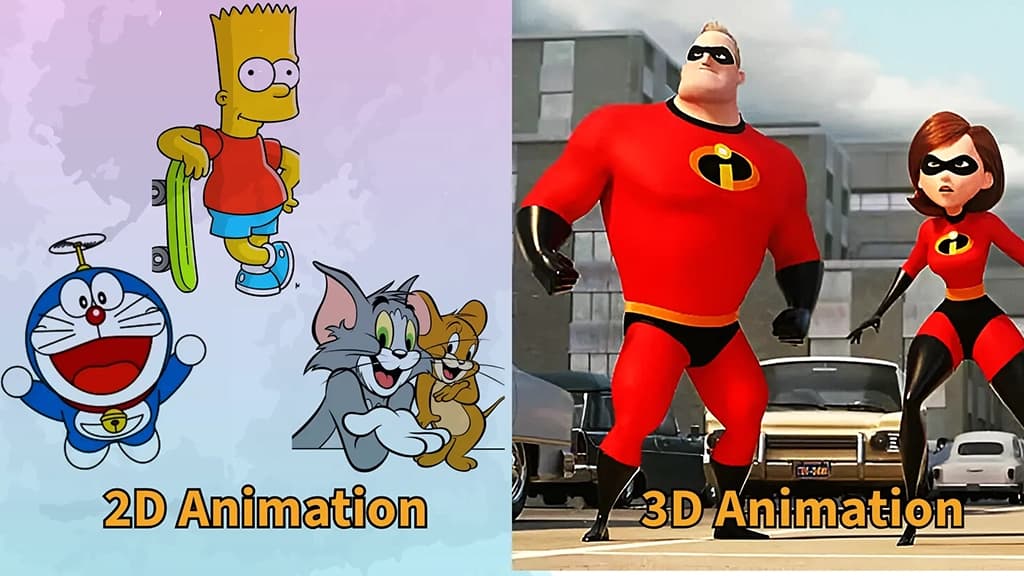
When comparing 2D vs 3D animation, several key differences become clear.
Visual Experience
2D animation focuses on artistic drawing styles.
3D animation aims to create realistic environments and depth.
Production Process
2D animation involves drawing individual frames.
3D animation involves modeling, rigging, and rendering.
Applications
2D animation is commonly used for:
cartoons
educational videos
marketing content
3D animation is widely used in:
animated films
video games
architectural visualisation
2D and 3D Animation in Modern Cinema
Both 2D and 3D animation play an important role in modern professional video production, helping brands create visually engaging content
2D animation remains popular for its artistic and stylistic appeal, while 3D animation dominates modern blockbuster movies due to its realistic visuals and immersive environments.
Many studios even combine 2D and 3D techniques to create hybrid animation styles.
Final Thoughts
The difference between 2D and 3D animation lies primarily in how visuals are created and experienced.
2D animation uses two dimensional space and flat drawings.
3D animation uses three dimensional models and realistic environments.
Both formats have unique advantages and continue to shape the future of animation and cinema.
Whether it’s classic cartoons or modern animated films, animation remains one of the most powerful storytelling tools in visual media.
MORE

We Craft Stories


